
Revolutionise your Budget and Curb Overspending
In a world dominated by credit cards, mobile payments, and one-click online shopping, the act of spending money has become increasingly abstract. We tap, we click, and money disappears from our accounts without us ever feeling its physical absence. This frictionless spending is a major reason why so many people struggle with overspending and find it difficult to stick to a budget. Learn here whether it has the benefits of using the cash envelope budgeting system in your personal life.
But what if there was a simple, tangible way to regain control, a method that forces you to be more mindful of every dollar you spend? For decades, one of the most effective budgeting techniques has been the envelope system. Also known as cash stuffing, this method uses physical cash to create clear, visual spending limits, making it a powerful tool for anyone looking to curb impulse buys, manage discretionary spending, and build financial discipline.
This comprehensive guide will explore the psychology behind why the cash envelope system works, provide a step-by-step plan to set it up, and show you how to adapt this classic method for our increasingly cashless world, with practical tips for users in the USA, UK, Canada, and Europe.
What is the Envelope Budgeting System?
The envelope system is a budgeting method where you allocate a specific amount of cash for different spending categories each pay period. You physically place the cash for each category into a labelled envelope. Once the money in an envelope is gone, you cannot spend any more in that category until the next pay period.
The core principles of the system are:
- Intentionality: You create a plan for your money before you spend it, assigning every dollar a specific job.
- Visibility: Using physical cash makes your spending tangible. You can literally see your money dwindling, which creates a powerful psychological awareness that a debit card transaction cannot replicate.
- Hard Limits: Unlike a credit card with a high limit, an empty envelope is a hard stop. This built-in boundary forces you to be more disciplined and creative with your resources.
This method is particularly effective for variable spending categories where overspending is common, such as groceries, dining out, entertainment, and personal shopping.

Benefits of using the cash envelope budgeting system
The Psychology of Spending: Why Cash Makes a Difference
The effectiveness of the envelope system is rooted in behavioural psychology. Researchers have identified a phenomenon known as the “pain of paying.” When you hand over physical cash, your brain registers it as a tangible loss, creating a small amount of psychological friction or “pain.” This friction makes you pause and consider the purchase more carefully.
In contrast, credit and debit card transactions are relatively painless. Swiping a card doesn’t trigger the same sense of loss, making it much easier to overspend without realising it. The envelope system reintroduces this healthy friction into your spending habits. When you have to physically count out bills from your “Dining Out” envelope, you are far more aware of the cost and more likely to ask yourself, “Is this purchase really worth it?” This simple act of using cash can fundamentally change your relationship with money and curb impulsive behaviour.
How to Set Up a Traditional Cash Envelope Budget: A Step-by-Step Guide
Getting started with the envelope system is simple and doesn’t require any special software. Here’s how to do it:
Step 1: Create Your Monthly Budget
Before you can stuff envelopes, you need a plan. Start by tracking your income and expenses to understand where your money is going. List all your fixed expenses (bills that are the same every month, like rent/mortgage, insurance, and car payments) and your variable expenses (categories that fluctuate, like groceries, gas, and entertainment).
A simple framework like the 50/30/20 rule can be a great starting point. Allocate 50% of your after-tax income to needs, 30% to wants, and 20% to savings and debt repayment. The envelope system is primarily used to manage the “wants” and the variable “needs” categories.
Step 2: Choose Your Categories and Label Your Envelopes
Decide which spending categories you want to manage with cash. Good candidates are the areas where you tend to overspend. Common categories include:
- Groceries
- Restaurants/Dining Out
- Gas/Transportation
- Entertainment (movies, concerts)
- Personal Spending/Fun Money
- Clothing
- Household Goods
- Pet Supplies
Label a separate physical envelope for each category you choose.
Step 3: Fund Your Envelopes
At the beginning of each pay period (whether it’s weekly, bi-weekly, or monthly), go to the bank and withdraw the total amount of cash needed to fund your envelopes according to your budget. For example, if your budget allocates $500 for groceries for the month, put $500 in cash into the “Groceries” envelope.
Step 4: Spend Only from the Envelopes
This is the most important rule. When you go grocery shopping, you can only use the money from your “Groceries” envelope. When you go out to eat, you must use the cash from your “Restaurants” envelope. Do not “borrow” from other envelopes.
Step 5: Stop Spending When the Envelope is Empty
Once the cash in an envelope is gone, you are done spending in that category until the next pay period. No exceptions. This is the hard limit that builds discipline. If your “Entertainment” envelope is empty two weeks into the month, it means finding free activities for the remaining two weeks.
Step 6: Adjust for the Next Month
At the end of the month, review your envelopes. If you consistently ran out of money in one category while having a surplus in another, you may need to adjust your budget allocations for the next month. Budgeting is a process of continuous refinement.
Adapting the Envelope System for a Cashless World
While the traditional cash system is powerful, it’s not always practical in an increasingly digital society, especially in many European countries where cash usage is declining. Fortunately, you can replicate the principles of the envelope system without using physical cash.
Here are five modern alternatives:
- Use Multiple Bank Accounts: Open several free checking or savings accounts and designate each one for a specific spending category (e.g., a “Groceries Account,” an “Entertainment Account”). Use a debit card linked to the appropriate account for each purchase. This creates digital “envelopes” and prevents you from overspending from your main account.
- Leverage Budgeting Apps with Digital Envelopes: Many modern budgeting apps are built specifically around the envelope philosophy. Apps like Goodbudget and YNAB (You Need A Budget) allow you to create virtual envelopes, assign funds to them, and track your spending from your phone. When you make a purchase with your card, you manually log it in the app, and the amount is deducted from the corresponding virtual envelope. Other apps like Qube Money and Envelope even link digital envelopes directly to a debit card for a more automated experience.
- Use Prepaid Debit Cards: Purchase a few reloadable prepaid debit cards and label each one for a specific category. Load them with your budgeted amount at the beginning of the month. This creates a hard spending limit just like a cash envelope, as the card will be declined if you try to spend more than the loaded amount.
- The “Half-Cash, Half-Digital” Hybrid: This is a practical compromise for many. Use your bank account and debit/credit cards for fixed bills and online purchases (like utilities and subscriptions). Then, use physical cash envelopes for your variable, in-person spending categories like groceries, coffee runs, and dining out. This gives you control where you need it most.
- Simple Spreadsheet or Notebook Tracking: For the ultimate manual digital approach, you can simply use a spreadsheet or a dedicated notebook. Create columns for each of your “envelope” categories. At the top, write your starting budget amount. Every time you make a purchase with your card, immediately write it down and subtract it from the category’s balance. This requires discipline but effectively mimics the manual tracking of a cash system.
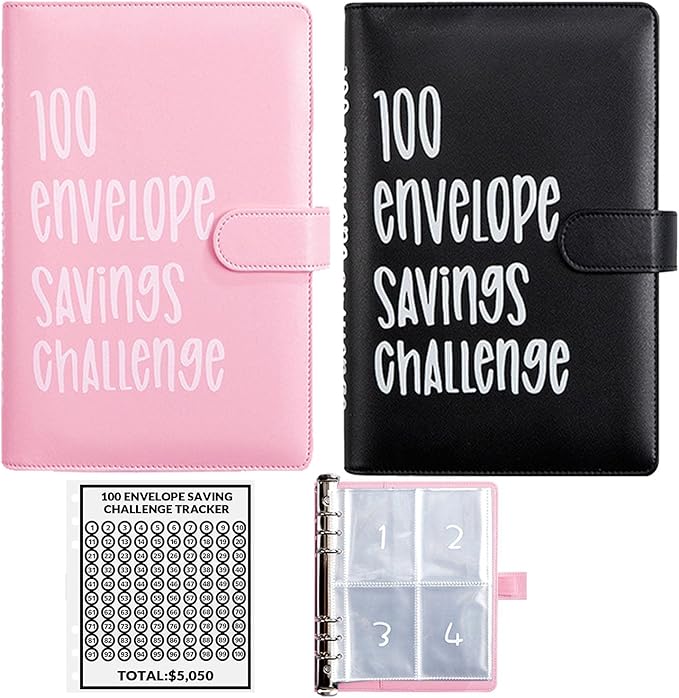
Benefits of using the cash envelope budgeting system
The envelope system is an excellent tool, but it’s not for everyone.
It’s a great fit if you:
- Are new to budgeting and feel overwhelmed by complex systems.
- Struggle with impulse spending and credit card debt.
- Are a visual or tactile person who benefits from seeing and feeling your money.
- Have a relatively consistent income that makes it easy to plan your cash withdrawals.
It might be challenging if you:
- Make the vast majority of your purchases online.
- Have an irregular income that makes it difficult to predict how much cash to withdraw.
- Are concerned about the safety of carrying large amounts of cash.
Conclusion: Taking Back Control
The envelope budgeting system, in both its traditional and digital forms, is more than just a money management technique; it’s a tool for building mindfulness and intentionality into your financial life. By creating tangible limits and reintroducing a healthy friction to the act of spending, it empowers you to move from being a passive consumer to an active manager of your resources.
Whether you choose to use physical cash, a dedicated app, or a hybrid approach, the core principle remains the same: give every dollar a job and spend with purpose. By doing so, you can break the cycle of overspending, reduce financial stress, and start making real progress toward your most important financial goals. We hope you understood the benefits of using the cash envelope budgeting system from this blog.